






Cissians
At the end of the Royal Road
For a traveller coming from the Aegean, Cissia lay at the far end of the road to the Persian king. Beyond the stages through Anatolia and Mesopotamia stood Susa, a city whose name evoked royal wealth and the remote centre of imperial decisions. Its inhabitants were among the peoples the Greeks called Cissians, rooted in the Elamite country that the Achaemenids had made one of their principal homes.
When Alexander arrived in 331 BC, the city's governor opened the way to him. A provincial people whose soldiers had once marched into Greece now watched a Macedonian king take possession of their palace and treasury. The conquest reached them through a negotiated surrender, yet its consequences would transform the ruling households around which their lives had long revolved.
The country around Susa
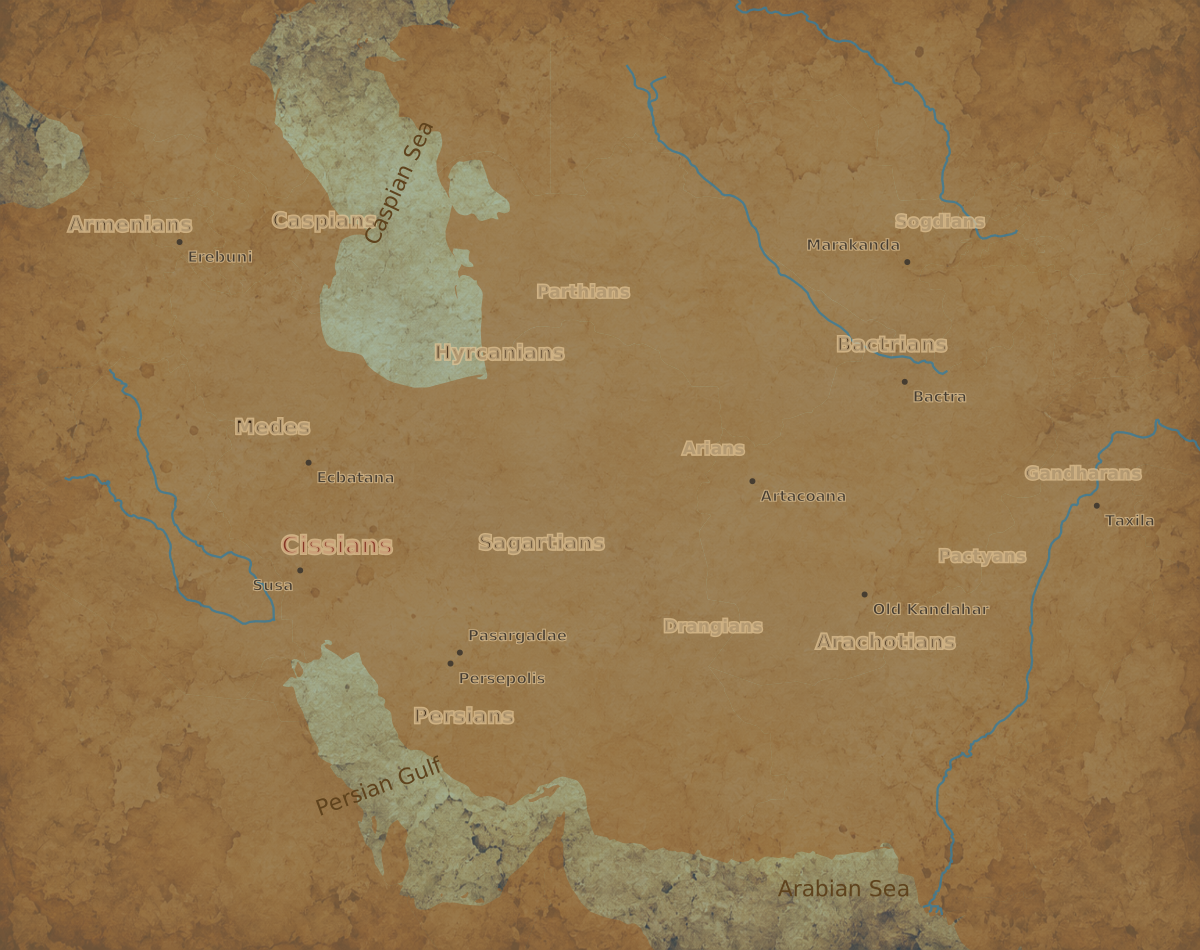
Cissia belonged to the lowlands and approaches of Susiana, between the Mesopotamian world and the Iranian uplands. Susa stood within a landscape of rivers, cultivated land and routes towards the Zagros. The court drew resources from a much wider empire, but its presence depended on the surrounding country: fields, settlements, transport and the people who worked and served there.
The region's history reached far behind the Persians. Susa had been a great Elamite centre, with its own rulers, sanctuaries and written traditions. Achaemenid kings occupied a place already dense with political and religious memory. Elamite continued to be used in imperial administration, making the older regional inheritance part of the machinery of the new monarchy.
Greek authors associated the Cissians with this Susian world. Aeschylus' Persians evokes Susa as their city, giving a Greek audience a name for the distant homeland from which royal armies had come. That connection between a people and an imperial residence would remain central to the way outsiders remembered them.
The palace made from an empire
Darius I left a foundation inscription explaining how his palace at Susa had been built. Its materials came from many countries: cedar from Lebanon, gold from Lydia and Bactria, precious stones from the east, ivory from distant southern lands. Workers identified as Babylonians, Greeks, Lydians, Egyptians and Medes contributed their skills.
The inscription presented the finished building as the achievement of a king favoured by Ahuramazda. It also revealed the labour behind royal magnificence. Timber had to be transported, foundations prepared, bricks moulded and stone cut. Susa concentrated the resources of conquest in a place where the court could display them.
The glazed archers that adorned the palace carried the same vision into its decoration. With carefully patterned robes and ordered bearing, they made armed service part of the beauty of the royal residence. The surviving bricks preserve colour and detail that have vanished from many other monuments of the period. They belong to Darius' palace and its representation of royal power, within the city where Cissian communities lived.
Men sent west
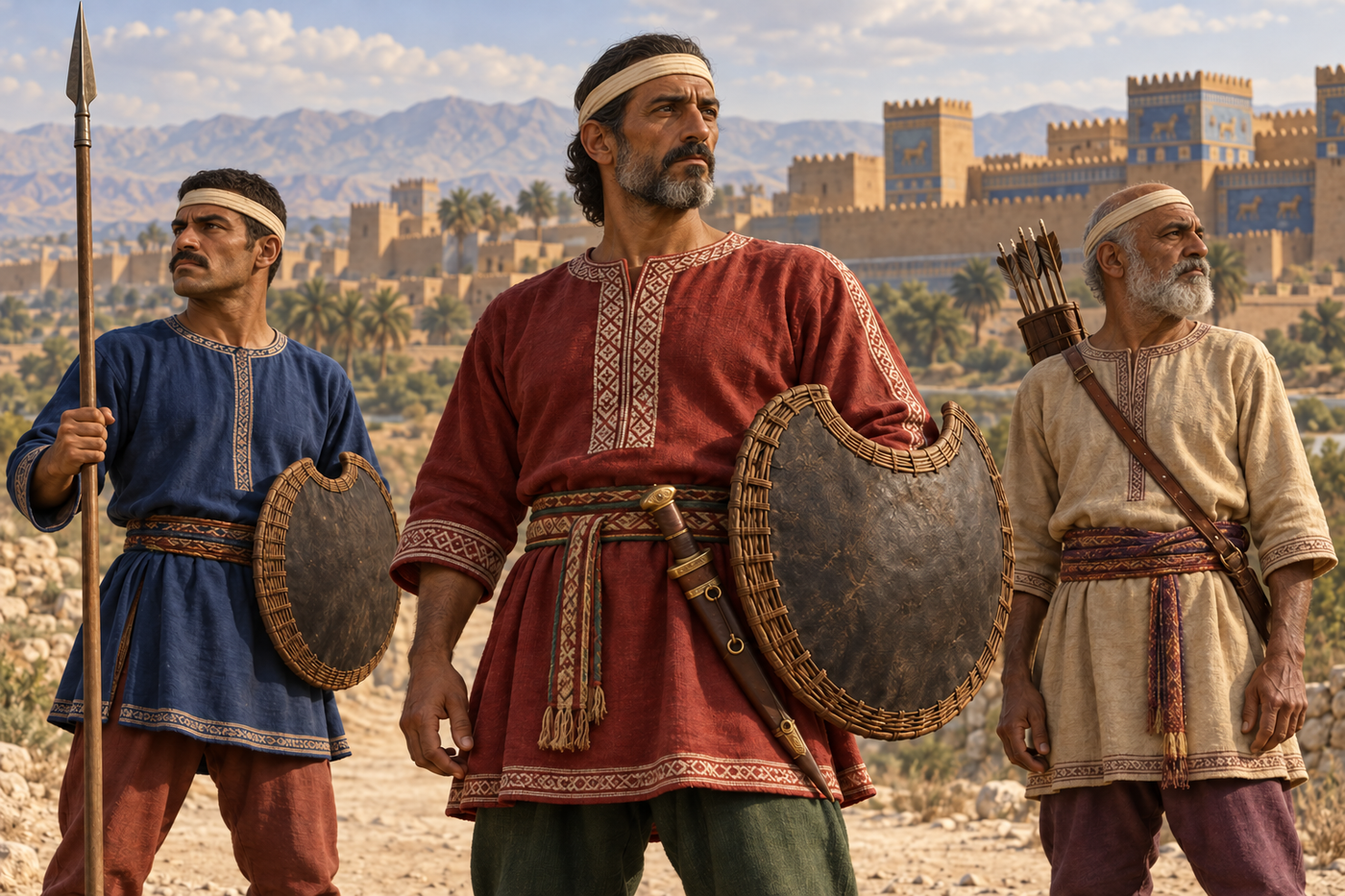
In 480 BC, Cissian soldiers joined Xerxes' expedition against Greece. Herodotus describes their dress and equipment as resembling those of the Persians, with a headband distinguishing them from the Persian cap. He names Anaphes, son of Otanes, as their infantry commander and also includes Cissian cavalry among the mounted contingents.
Their place in the army brought them into the first assaults at Thermopylae. Xerxes initially committed Medes and Cissians against the defenders of the pass. The narrow ground exposed the attackers to a costly struggle, and Herodotus records repeated efforts despite heavy losses. Men from the royal heartland were among those sent forward before the Persian army found the route around the Greek position.
For the communities supplying those soldiers, imperial service meant separation across enormous distances. The court could turn regional manpower towards a campaign beyond the Aegean, while its own revenues and communications continued to pass through their country. Susa's proximity to the king brought both prestige and obligations.
Captives brought home
The movement also ran in the opposite direction. After the capture of Eretria in 490 BC, Darius settled its deported inhabitants at Ardericca in Cissia. Herodotus describes their continuing presence there and their retention of the Greek language. The region around the royal centre could therefore contain communities whose arrival had been determined by a war fought far away.
Soldiers, craftsmen, officials and displaced families connected Susiana to the outer provinces. The court's wealth emerged from those movements, but the experiences behind them differed sharply. A royal artisan might find employment near the palace; a captive family reached the same country through defeat and forced resettlement.
Abulites opens the city
After Darius III's defeat at Gaugamela, Abulites, governor of Susiana, arranged Susa's surrender. His son went to meet Alexander, while Philoxenus had already been sent ahead. The palace treasures passed into Macedonian hands without a siege.
Alexander retained Abulites as governor and installed his own military officers. The arrangement preserved a familiar provincial ruler while placing the citadel and its security under Macedonian supervision. For the people of the surrounding country, the first phase of conquest combined continuity in administration with the unmistakable presence of a new army.
The treasury helped finance Alexander's continuing war. Objects taken during Xerxes' invasion were found among the royal possessions, including the statues of the Athenian tyrannicides. Their return to Athens gave the conqueror a powerful gesture of restitution, made possible by his possession of the city that had received them.
The king returns
In 324, Alexander came back from the eastern campaigns. Abulites and his son were executed after accusations concerning their government. Their survival in office had depended on the king's confidence, and that protection ended abruptly. Provincial authority remained subject to a ruler who could return after years of absence and demand an account.
Susa then became the setting for marriages joining Alexander's officers to women of Iranian noble houses. Alexander married into the Achaemenid dynasty himself; Hephaestion married another daughter of Darius. The ceremony placed the old royal families within the conqueror's plans for the future.
For the Cissians, the changes unfolded in a city already shaped by successive kingdoms. The Persian court had made Susa an imperial residence without erasing its older foundations. The Macedonian king now attempted another settlement of power, using its palace, wealth and associations. Around that magnificent centre, the people of Susiana continued to supply the labour, produce and military service on which royal ambition depended.
Sources
Ancient accounts and royal inscriptions
- Aeschylus, Persians, 17 and 120.
- Herodotus, Histories, III.91; V.52; VI.119; VII.62, VII.86 and VII.210, Thermopylae.
- Darius I, Susa foundation inscription DSf.
- Arrian, Anabasis, III.16 and VII.4.
Archaeology and historical studies
Susa and Susiana
A capital changes kings
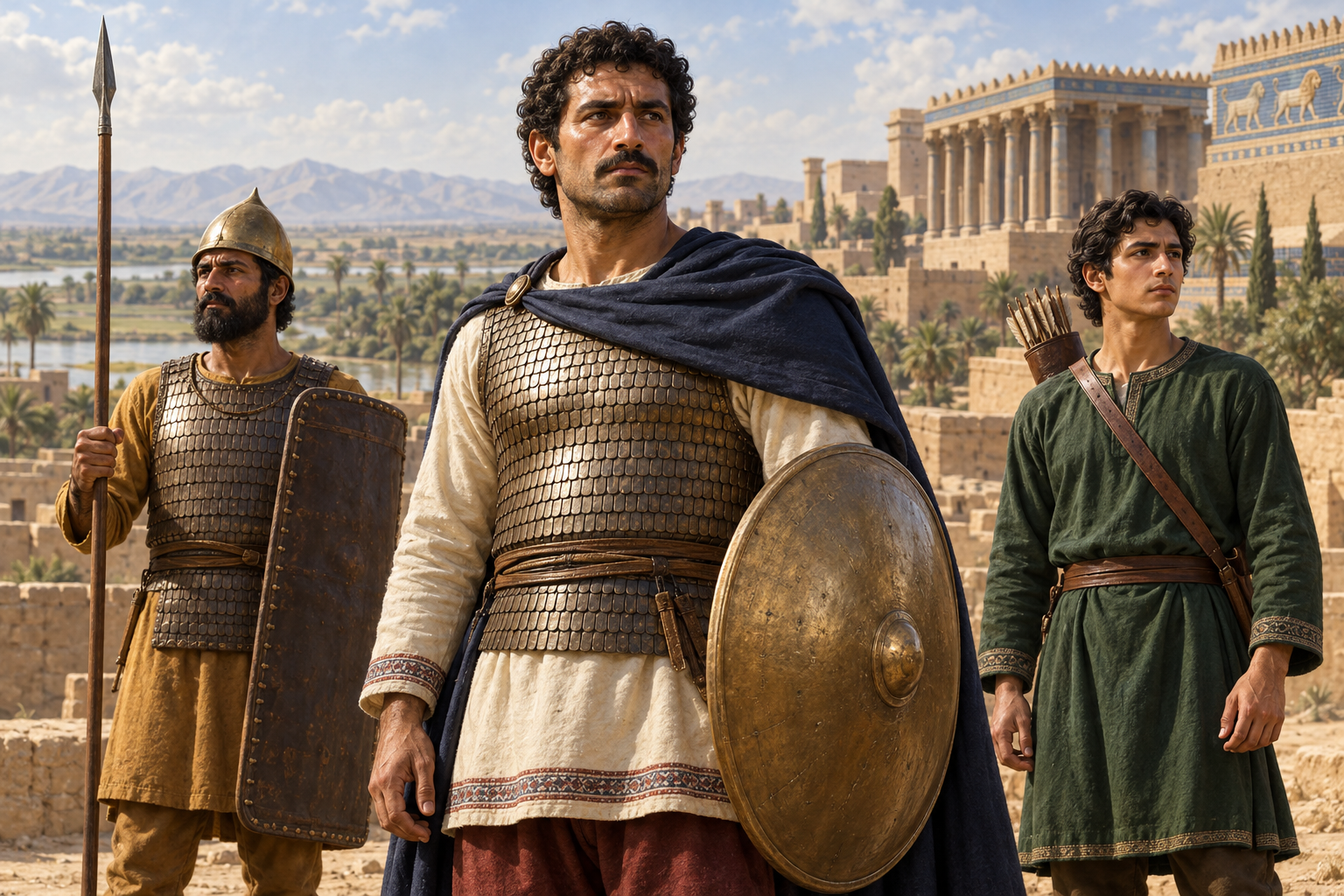
When Alexander entered Susa in 331 BC, he acquired one of the principal residences of the Persian monarchy without fighting a siege. Abulites, governor of Susiana, had arranged the surrender. Treasure accumulated under the Achaemenids passed to an army whose soldiers had come from the other side of the Aegean.
For Susa, the arrival belonged to a history of power much older than Persia. The city had been a royal centre when Babylonian monuments were carried there as trophies, and a sacred place through generations of Elamite rulers. Alexander inherited a capital whose past could already be measured in millennia.
The plain beneath the uplands
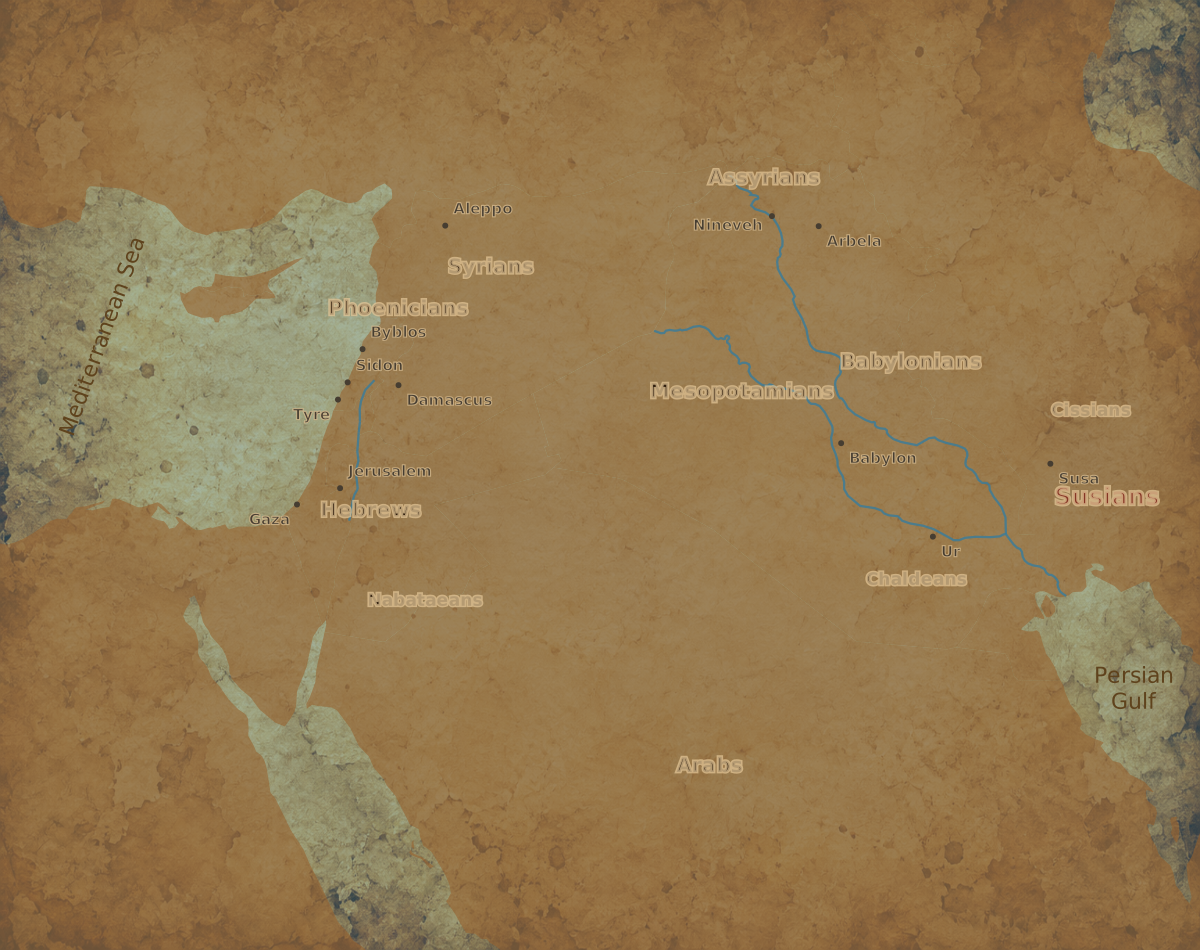
Susiana lay between the Mesopotamian lowlands and the approaches to the Zagros, in what is now south-western Iran. Its rivers and cultivated plain supported settlements connected with the mountains as well as the country farther west. Susa stood within that network of water, fields and routes.
The city's archaeological mounds preserve successive phases of residence, administration and worship reaching back to the fifth millennium BC. Its position brought different societies into contact over a remarkably long period. Royal buildings rose above a settlement whose inhabitants also lived by production, exchange and service.
The heat of the lowlands and the routes towards the uplands shaped the movement of armies. Rivers could protect a crossing or become an obstacle, while the surrounding country supplied grain and other produce. To possess Susa was to gain a centre from which those resources could be gathered.
The older kings of Elam
Before the Achaemenids, Susa belonged to the political and religious world of Elam. Its rulers competed with the kingdoms of Mesopotamia, at times carrying victorious armies westwards. The trophies they brought home made conquest visible within their own capital.
The great stela bearing the laws of Hammurabi reached Susa in this way. Shutruk-Nahhunte carried it from Babylonia in the twelfth century BC, centuries after the monument had been made. Its journey joined the prestige of a celebrated Babylonian king to the triumph of an Elamite ruler.
Other monuments and inscriptions preserved the authority of local dynasties and their gods. This inheritance gave the city a character that Persian kingship could use without having created it. Susa's importance rested partly on that depth of royal and sacred memory.
Darius builds for the empire
Darius I made Susa one of the great architectural settings of Achaemenid rule. His palace and audience hall displayed a monarchy able to draw labour and materials from distant countries. The royal inscription names timber, metals, stones and craftspeople brought to complete the work.
The building brought many histories together. Materials from the eastern provinces stood beside wood from Lebanon, while workers identified with several imperial peoples contributed specialised skills. In the finished palace, those journeys became the visible order of the king's world.
Glazed-brick decoration added colour to the royal setting. The archers preserved from Darius' palace embody armed service through controlled bearing and elaborate dress. Their images belonged to a ceremonial environment in which protection, wealth and royal authority reinforced one another.
The people behind the palace
Susian life extended beyond the court. Fields, villages, workshops and transport sustained a city whose demands could rise with a royal visit or the arrival of an army. The surrounding countryside connected urban wealth to agricultural work.
Elamite writing remained important within the Achaemenid administrative world. The older language and the people trained to use it contributed to imperial government, alongside other languages and scribal traditions. Persian power operated through an inheritance of practical knowledge as well as new royal commands.
Greek authors also called the inhabitants of this wider region Cissians. Their descriptions connect the people of the country with Susa and its place in the empire. The city and its surrounding communities belonged to a shared regional history, even when different writers used different geographical names.
The settlement of 331
Abulites' surrender spared Susa the destruction suffered by places that resisted Alexander. He remained governor, while Macedonian officers took responsibility for the citadel and military security. The arrangement combined an existing provincial authority with the conqueror's armed supervision.
The treasury immediately increased Alexander's resources. Among the royal possessions were objects taken from Greece during Xerxes' invasion, including the statues of Harmodius and Aristogiton. Returning them to Athens allowed the new king to present his possession of Susa as the reversal of an older humiliation.
The main army soon moved towards Persia. The city remained a base behind the advance, governed in Alexander's name while he campaigned across the eastern provinces and into India. Its administration had to endure the king's long absence and the uncertainty surrounding his return.
The weddings and the executions
In 324, Alexander came back. Abulites and his son were put to death following accusations of misgovernment. The governor's earlier submission had preserved his position for years, but it could not protect him once the king withdrew his confidence.
Susa then hosted the great marriages between Macedonian officers and women from Iranian noble families. Alexander married into the Achaemenid house, and other leading men formed alliances with families whose influence had survived the conquest.
The ceremony made the old capital a stage for a new ruling order. The women involved carried connections and dynastic standing into marriages arranged at the conqueror's command. The celebrations joined households whose futures would soon be tested by his death.
A treasury worth besieging
During the wars of the successors, Eumenes sought the resources of Susa to sustain his coalition against Antigonus. He obtained money and used it to pay soldiers whose loyalty depended on more than declarations of royal legitimacy.
When Antigonus reached the city, Xenophilus held the citadel and refused to surrender its treasure. The struggle separated possession of the surrounding country from control of the fortified treasury. Susa remained valuable enough to require another contest even after the great Persian monarchy had disappeared.
The Susian plain also supported armies through produce such as dates, sesame and rice, mentioned by Diodorus during the campaigning. The city and its country supplied both the wealth commanders sought and the food their men needed to continue.
Across successive empires, that combination sustained Susa's importance. Kings could change, palaces could be rebuilt and treasuries could pass to another army. The city endured because its people, fields and connections continued to make it a place from which power could be exercised.
Sources
Ancient texts and royal inscriptions
- Darius I, Susa foundation inscription DSf.
- Arrian, Anabasis, III.16 and VII.4–6.
- Diodorus Siculus, Library of History, XIX.13–18.
Archaeology and historical studies